
From Moroccan Soil to Pure Olive Oil
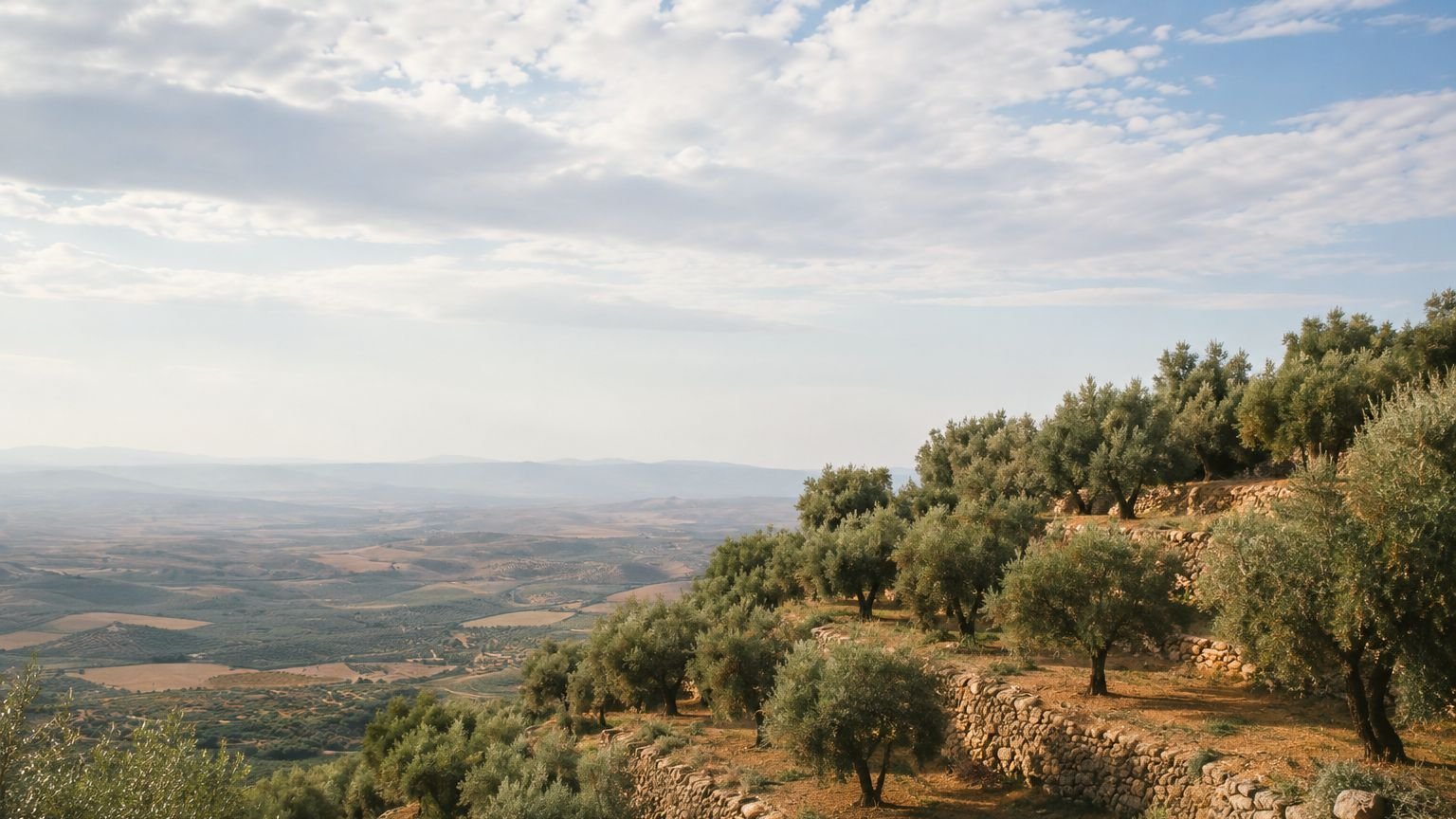
Before there is oil, there is ground. Stone terraces cut into a slope, dry earth that holds water only where someone taught it to, and rows of trees planted by people who would never taste the harvest.
Older than the ones who tend them
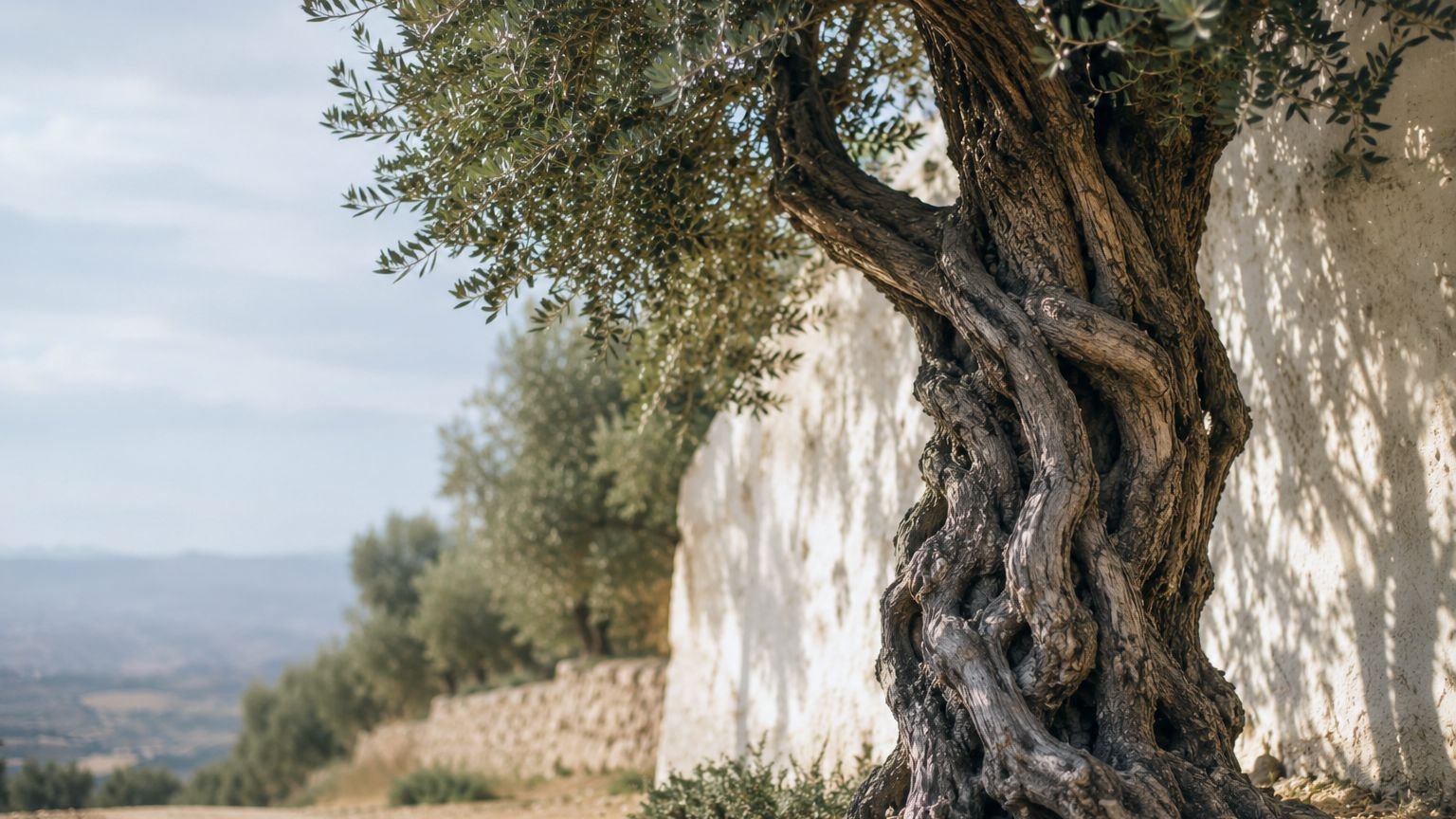
An olive tree measures time differently. Bark thickens and splits, the trunk turns in on itself, and the tree keeps giving fruit long after the hands that planted it are gone.
The fruit decides the year
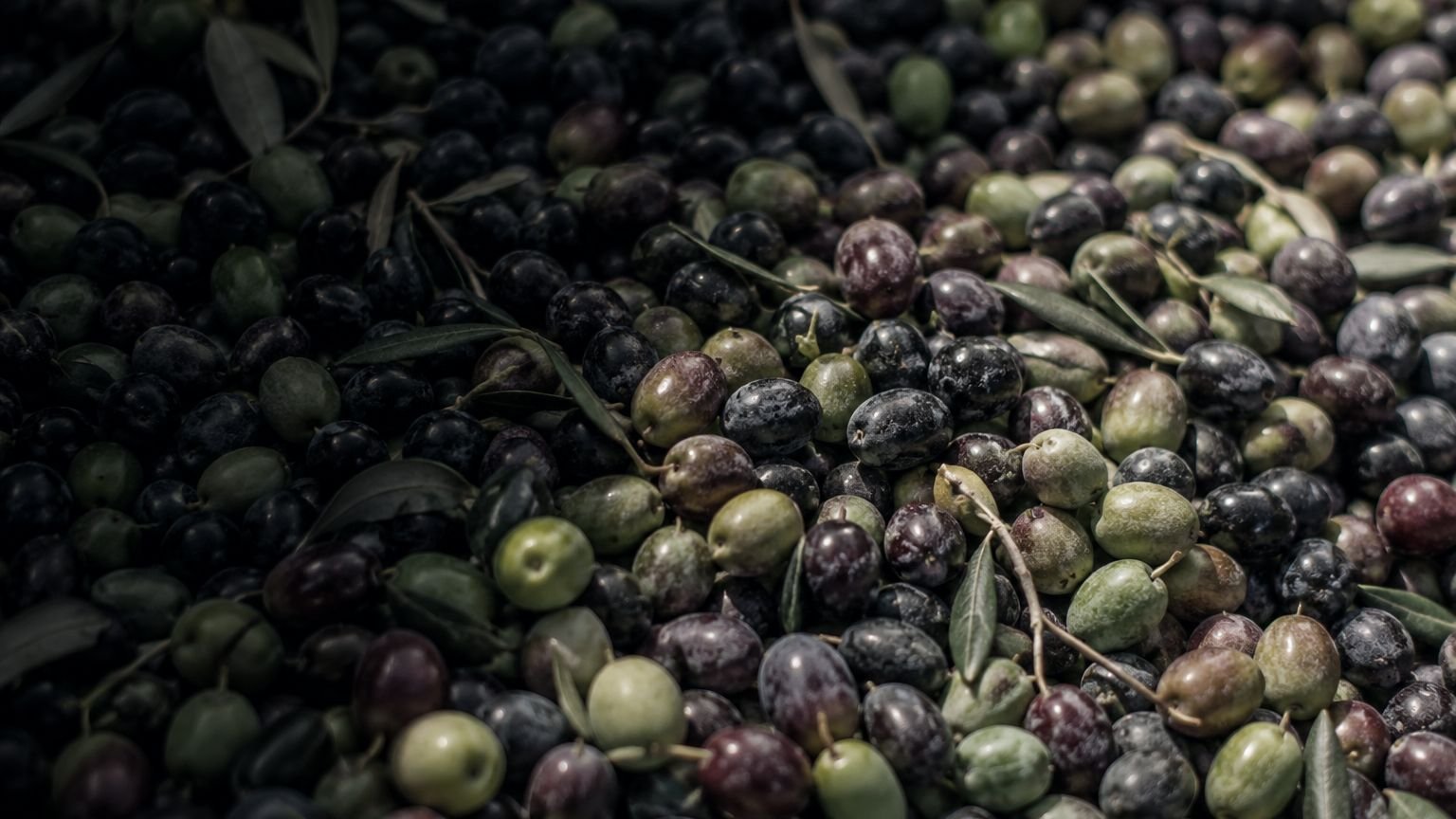
Green turns to violet, then to something close to black. The skin dulls, the flesh softens, and the oil inside changes character week by week.
Harvested at the right moment
Too early and the yield is small. Too late and the character is gone. The window is narrow and it does not wait, so the grove is watched daily until the day it opens.
Extracted with care
The fruit arrives whole and leaves as liquid. What matters is how little happens in between: how gently, how quickly, how few hands and how little heat.
One season, one grove, one oil
What began as a hillside is now a single golden-green liquid. Nothing added, nothing blended in from elsewhere. This is the whole story, poured.
Single groveSingle seasonNothing addedHarvest datedBottled at sourceSingle groveSingle seasonNothing addedHarvest datedBottled at source
The bottle
Discover our extra virgin olive oil
Three sizes of the same oil, from the same grove and the same season.
Why ID Hope
A single grove, not a supply chain
01
One origin
Every bottle comes from the same Moroccan grove. You can point to it on a map.
02
One season
Bottled from a single harvest, so the character of that year stays intact rather than averaged away.
03
Nothing added
Olives and nothing else. No blending, no correction, no oil brought in from elsewhere.
04
Short journey
The distance between the tree and the bottle is measured in hours, not weeks.
05
Harvest dated
The picking date is on the label, so you always know how old the oil in your hand actually is.
06
Bottled at source
Filled where it was made, in dark glass, without an intermediate journey in bulk tanks.

Our origin
One estate, on the record
Most olive oil is an average. It is blended from whatever was pressed that year, across regions and sometimes across countries, until it tastes the same in every bottle. Ours cannot be, because there is one place it comes from and one fortnight it is made in.
“The land decides. We only try not to get in its way.”
One season
A year in the grove
The tree works to its own calendar. Everything in the bottle was decided across these twelve months.
JanFebMarAprMayJunJulAugSepOctNovDec
Dormant
Flowering
Fruit set
Turning
Harvest
Dormant
The tree does almost nothing, and that is the point. Whatever rain falls on the terraces now is the water the grove lives on through the summer, so a dry winter is felt in the bottle a year later.
Flowering
A few dry, windy days decide how much fruit there will be at all. Nothing that happens later can add to it, and a bad week here quietly halves the harvest.
Fruit set
Only a small share of the flowers hold. Those that do spend the hottest months swelling slowly on thin soil, which is why the fruit here is smaller and the oil more concentrated.
Turning
Green goes to violet. The oil inside is changing character week by week, gaining colour and losing pepper, so the grove is walked daily to catch the moment it is right.
Harvest
Two weeks, once a year. Branches are cleared by hand in the morning and pressed the same day, and the date goes on the label so you know exactly which year you are drinking.
Quality
Every claim on the label is a number
Extra virgin is a legal grade, not a compliment. It has limits an independent lab tests for. Here is where this harvest actually landed, next to the limit it had to beat.
Free acidity0.21%
The legal ceiling for extra virgin is 0.80%. Low acidity means the fruit was sound and pressed before it began to break down.
Peroxide value6.4
Limit 20 meq O₂/kg. This measures how much the oil has already oxidised, which is what turns an oil flat and waxy.
Tree to mill6 hrs
Best practice is under 24 hours. Fruit that waits in crates ferments quietly, and no amount of care at the mill undoes it.
Polyphenols412 mg/kg
Higher is better here, and the mark shows where most supermarket oils sit. Polyphenols are the pepper you feel at the back of the throat.
Analysis of the 2026 harvest, batch 01. Placeholder figures — full certificate available on request.
How to enjoy it
Heat is the only thing that can ruin it
Everything good about this oil, the pepper at the back of the throat and the green smell when you open it, is fragile. Where you put the bottle when you get home decides how long that lasts. Pick a spot.
15°C
The one it wants
Cool, dark and steady, away from the stove. Nothing is working against the oil here, so the pepper and the green smell stay where they should be until the bottle is finished.
Holds its characterAbout 12 months
In their words
What people say after the first bottle
Peppery in a way I was not ready for. I finished the bottle in a month and ordered two more.
It tastes like a place. That sounds ridiculous until you try it next to a supermarket bottle.
I bought it as a gift and had to buy a second one because I kept the first.
Extra virgin olive oil from a single grove in Morocco. One season, one pressing, nothing added.